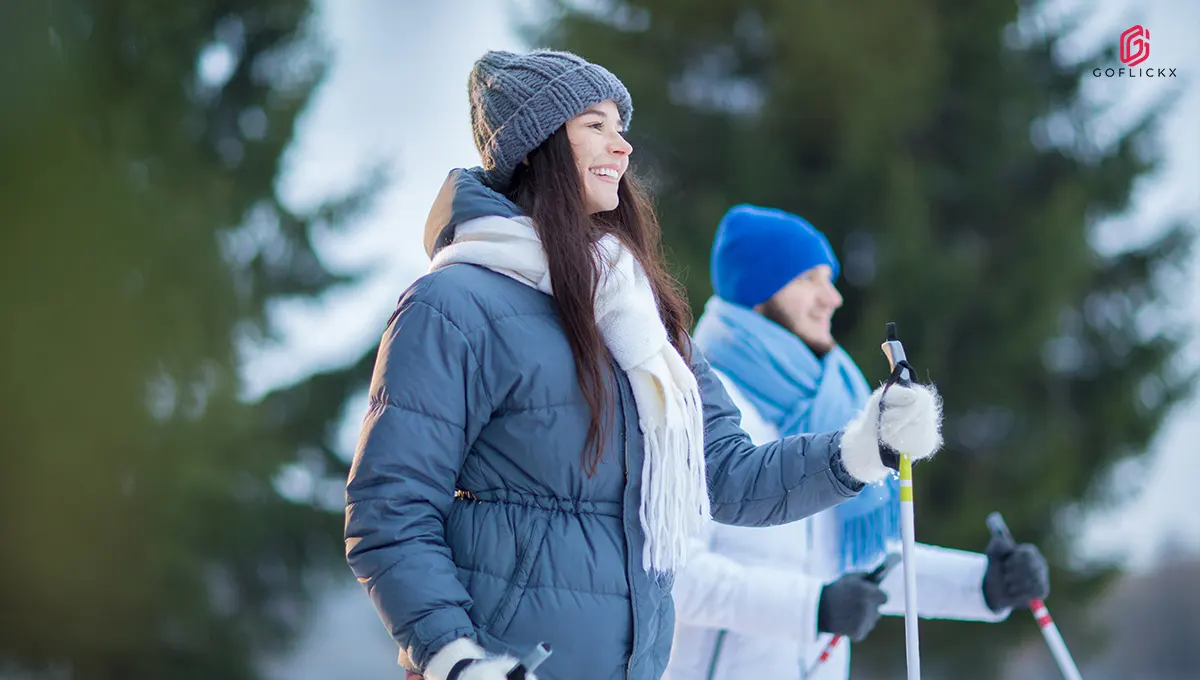
How To Stay Active Through a Dutch Winter: Gear That Actually Helps
Winter workouts can feel intimidating, especially when temperatures drop and motivation starts to fade. But with the right clothing and preparation, staying active outdoors can be comfortable and enjoyable.
Whether you're walking, jogging, cycling, or doing outdoor fitness sessions, choosing the right winter workout gear makes all the difference.
This article explains how to layer effectively, what essentials you need, and how to stay consistent throughout the colder months while avoiding common mistakes. You'll also find practical tips that help you build a winter workout kit without overcomplicating your routine.
Quick Overview:
|
What You'll Learn |
Why It Matters |
|
Why staying active in winter is beneficial |
Helps maintain consistency and energy levels |
|
The three-layer clothing system |
Keeps you warm without overheating |
|
Essential winter workout gear |
Improves comfort and safety outdoors |
|
Practical buying tips |
Helps you choose gear that suits different activities |
|
Simple mistakes to avoid |
Makes outdoor workouts more enjoyable |
How To Stay Active Through a Dutch Winter: Gear That Actually Helps
Cold weather often becomes the biggest excuse for skipping workouts. Shorter days, chilly winds, and unpredictable weather can make even the most dedicated fitness routine feel difficult to maintain. The good news is that you don't need perfect weather to stay active: you simply need the right winter workout gear.
Whether you enjoy brisk walks, outdoor runs, cycling, or bodyweight workouts in the park, dressing appropriately helps you stay comfortable while protecting your body from the cold. Instead of relying on one bulky jacket, today's cold-weather clothing is designed to regulate body temperature, wick away sweat, and allow freedom of movement.
If you're looking for reliable sportswear options, retailers like JD Sports offer a wide range of performance apparel designed for different winter activities, making it easier to build a workout wardrobe that fits your needs.
By understanding how to layer clothing and choose the right accessories, you'll feel more confident stepping outside, even when temperatures drop.
Why Winter Doesn't Have to Stop Your Fitness Routine
It's easy to assume that outdoor exercise should wait until spring, but staying active during winter offers several benefits. Regular movement supports cardiovascular health, helps maintain strength, boosts mood, and makes it easier to stick with long-term fitness goals.
One of the biggest challenges isn't the weather itself, it's wearing the wrong clothing. Many beginners either overdress and become too hot after a few minutes or wear too little and feel uncomfortable almost immediately.
Learning how to stay active in winter starts with understanding that your body naturally generates heat once you begin moving. Your clothing should work with your body instead of trapping excessive heat. Breathable fabrics and smart layering allow moisture to escape while keeping cold air out.
For example, someone heading out for a 30-minute walk may initially feel slightly cool. Within ten minutes, body heat increases, and properly layered clothing keeps them comfortable without causing overheating. This simple approach often feels much better than wearing one heavy coat that becomes uncomfortable as your workout progresses.
Rather than avoiding outdoor exercise, focus on preparing for it. The right winter workout gear helps make winter fitness both practical and enjoyable.
Build Your Winter Workout Gear Kit with the Layering System
One of the most effective ways to stay comfortable outdoors is by following the three-layer system. Instead of relying on thick clothing, layering allows you to adjust to changing temperatures and different activity levels while maintaining comfort throughout your workout.
Start with a Moisture-Wicking Base Layer
Your base layer sits directly against your skin, making it one of the most important pieces of winter workout gear. Its job is to pull sweat away from your body so you stay dry.
Choose fabrics such as polyester blends or merino wool instead of cotton. Cotton absorbs moisture and remains damp, which can leave you feeling colder as temperatures drop.
Add an Insulating Mid Layer
The middle layer traps body heat while still allowing airflow. Lightweight fleece pullovers, insulated quarter-zips, or thermal hoodies provide warmth without restricting movement.
Depending on the weather and workout intensity, this layer can often be removed if you begin to overheat.
Finish with a Weather-Resistant Outer Layer
Your outer shell protects against wind, light rain, and snow while allowing moisture from inner layers to escape. Look for jackets that are both breathable and water-resistant rather than thick, fully insulated coats designed for standing outdoors.
A lightweight shell usually works better for active movement because it prevents overheating.
Don't Forget Essential Accessories
Small accessories often have the biggest impact on comfort.
Consider adding:
- Thermal gloves
- Moisture-wicking socks
- A lightweight beanie
- Neck gaiter
- Reflective gear for early morning or evening workouts
Many experienced outdoor exercisers discover that protecting their hands, ears, and feet dramatically improves comfort during colder conditions.
If you're shopping for multiple pieces at once, JD Sports offers jackets, thermal tops, gloves, leggings, and accessories that can help you build a complete winter workout gear collection suited to different outdoor activities.
Winter Workout Gear Checklist
|
Gear |
Purpose |
|
Moisture-wicking base layer |
Keeps sweat away from skin |
|
Thermal mid layer |
Retains body heat |
|
Wind-resistant jacket |
Protects against wind and light rain |
|
Thermal leggings |
Keeps legs warm while allowing movement |
|
Gloves and beanie |
Protect hands and head from heat loss |
|
Moisture-wicking socks |
Improve comfort and reduce dampness |
|
Reflective accessories |
Increase visibility in low-light conditions |
Choose the Right Gear for Your Winter Activity
Not every outdoor workout requires the same clothing. The intensity of your activity, the weather, and the duration of your session all influence what winter workout gear works best. Dressing for your specific workout helps you stay comfortable without feeling too hot or too cold.
Running Outdoors
If you're heading out for a run, it's normal to feel slightly cool during the first few minutes. Your body warms up quickly once you start moving, so avoid wearing heavy layers that trap too much heat.
Some practical running in cold weather tips include:
- Warm up indoors for 5–10 minutes before heading outside.
- Wear moisture-wicking layers instead of cotton.
- Choose running shoes with good grip for wet or slippery paths.
- Use reflective clothing if you're running in low-light conditions.
- Cover your hands and ears, as they lose heat faster than other parts of the body.
Cycling During Winter
Cycling creates additional wind exposure, making proper layering even more important. The right winter cycling clothing should protect you from cold air while allowing sweat to escape.
For winter rides, consider:
- A windproof cycling jacket
- Thermal cycling tights
- Insulated gloves
- Shoe covers for added warmth
- A lightweight thermal cap that fits under your helmet
Choosing breathable clothing prevents overheating during longer rides while keeping you protected from changing weather conditions.
Walking, Hiking, and Outdoor Training
Lower-intensity activities usually require slightly warmer layers because your body generates less heat. Adjustable clothing, such as zip-up fleece jackets and lightweight outer shells, makes it easy to adapt if temperatures change during your workout.
If you're upgrading your cold-weather wardrobe, JD Sports offers a variety of performance clothing suitable for walking, running, cycling, and general outdoor fitness, making it easier to find gear for different activity levels.
Common Winter Workout Mistakes to Avoid
Even the best winter workout gear won't help if it's used incorrectly. Avoiding a few common mistakes can make your workouts safer and far more enjoyable.
Some of the biggest mistakes include:
- Wearing too many layers: Overheating leads to excessive sweating, which can make you feel colder later.
- Choosing cotton clothing: Cotton absorbs sweat instead of moving it away from your skin.
- Skipping hydration: Cooler temperatures reduce thirst, but your body still loses fluids during exercise.
- Ignoring visibility: Shorter daylight hours make reflective clothing and lights more important.
- Forgetting to warm up: Cold muscles are less flexible and may be more prone to injury.
- Not adjusting layers: If you begin to sweat heavily, remove a layer before you become uncomfortable.
Following these best practices helps you stay comfortable while making outdoor exercise more consistent throughout the season.
Quick Winter Workout Checklist
Before heading outside, take a minute to prepare.
- Check the weather forecast before leaving.
- Dress using the three-layer system.
- Wear moisture-wicking clothing instead of cotton.
- Protect your hands, ears, and feet.
- Carry water, even on shorter workouts.
- Warm up indoors before stepping outside.
- Wear reflective clothing if exercising near sunrise or sunset.
- Adjust layers based on your workout intensity.
- Change into dry clothes after exercising to stay warm.
This simple routine helps your winter workout gear perform as intended while keeping you comfortable from start to finish.
Conclusion
Staying active during colder months doesn't require extraordinary motivation, it requires smart preparation.
Investing in the right winter workout gear helps you stay warm, dry, and comfortable whether you're walking, running, cycling, or enjoying other outdoor activities. By following the layering system, choosing activity-specific clothing, and avoiding common mistakes, you can keep your fitness routine on track regardless of the weather.
Small changes in what you wear often make a significant difference in how you feel outdoors. Start building your winter workout kit today, choose gear that supports your goals, and make every cold-weather workout one you'll actually look forward to.
Frequently Asked Questions
- What to wear for a workout in winter?
For a winter workout, wear a moisture-wicking base layer, an insulating mid layer, and a wind- or water-resistant outer layer. Complete your outfit with thermal socks, gloves, and a beanie if you're exercising outdoors. This layering system helps regulate body temperature while keeping you warm and dry.
- What does Gen Z wear to the gym?
Many Gen Z gym-goers prefer comfortable, functional activewear such as oversized T-shirts, matching workout sets, moisture-wicking leggings or shorts, joggers, and supportive training shoes. Performance fabrics, relaxed fits, and athleisure-inspired styles are popular for both workouts and everyday wear.
- What is good gear for winter?
Good winter workout gear includes a breathable base layer, a thermal mid layer, a weather-resistant jacket, insulated gloves, a beanie, moisture-wicking socks, and footwear with good traction. These essentials help keep you warm, dry, and comfortable during outdoor exercise.
- How to workout in the gym in winter?
Working out in the gym during winter is similar to any other season, but it's important to warm up properly before exercising. Wear lightweight, breathable activewear to prevent overheating, stay hydrated throughout your session, and keep a light jacket or hoodie for before and after your workout when temperatures are lower outside.