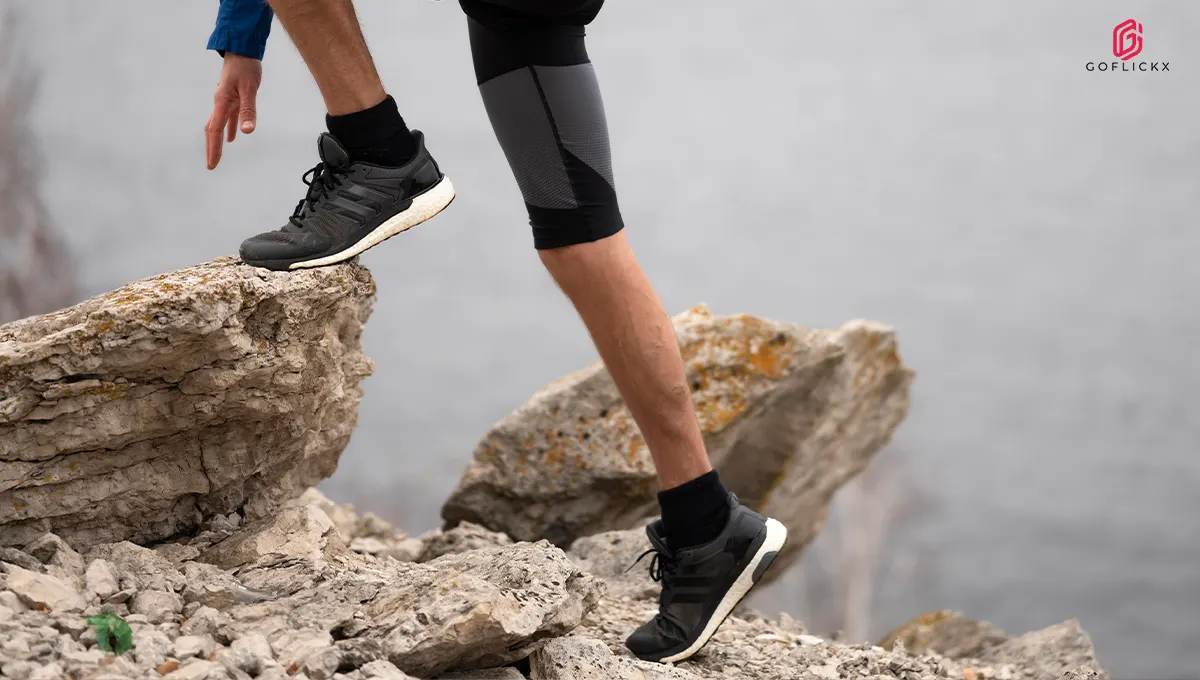
Best Hiking Shoes for Every Trail: Comfort, Grip, and Waterproof Protection
A great hike can quickly turn frustrating when your feet are uncomfortable. Blisters, sore arches, slippery trails, and wet socks can make even a short outdoor adventure feel exhausting.
That's why choosing the best hiking shoes is one of the most important decisions for any hiker. The right pair provides stability, traction, comfort, and protection while helping you confidently handle different trail conditions.
Whether you're planning occasional weekend walks or frequent backcountry adventures, understanding what features matter most can save you time and money. Retailers like Sprinter offer a wide selection of hiking footwear, making it easier to find options suited to different needs.
Quick Overview
The best hiking shoes provide the right balance of comfort, traction, durability, and support for your hiking style and terrain. Proper fit is the most important factor, helping prevent blisters and foot fatigue on long trails. Waterproof hiking shoes work well in wet and muddy conditions, while breathable models are often better for warm weather. Whether choosing hiking shoes for men or women's hiking shoes, focus on comfort and performance rather than brand names alone. By understanding trail conditions, fit requirements, and key features, you can confidently select hiking footwear that enhances every outdoor adventure.
What Makes Hiking Shoes Different From Regular Athletic Shoes?
Many people wonder if regular running or athletic shoes can replace hiking footwear. While athletic shoes work well on smooth surfaces, hiking shoes are specifically designed for uneven terrain, loose gravel, rocky paths, and changing weather conditions.
The best hiking shoes feature aggressive outsoles that provide enhanced grip on trails. They also include reinforced toe protection, durable materials, and greater stability to help prevent slips and injuries. Unlike standard athletic footwear, hiking shoes are built to withstand repeated exposure to dirt, mud, rocks, and moisture.
Another key difference is support. Hiking footwear helps distribute pressure more evenly across the foot, reducing fatigue during long walks. This combination of durability, traction, and comfort makes hiking shoes a valuable investment for anyone who spends time outdoors.
How to Choose the Best Hiking Shoes for Your Hiking Style
Not every hiker needs the same type of footwear. The best hiking shoes depend largely on how and where you plan to hike.
- Casual Day Hikes: Lightweight hiking shoes with moderate cushioning typically provide enough comfort and support for well-maintained trails.
- Frequent or Long-Distance Hiking: Choose shoes with enhanced support, durability, and cushioning to handle extended time on the trail.
- Rocky or Steep Terrain: Look for models that offer better stability, protection, and grip on uneven surfaces.
- Muddy or Wet Trails: Consider shoes with strong traction and weather-resistant features for improved performance.
- Dry and Smooth Paths: Lightweight and breathable options are often sufficient for these conditions.
- Weight Considerations: Lighter hiking shoes help reduce fatigue, while sturdier designs provide additional protection and durability.
A practical approach is to focus on the conditions you encounter most often rather than preparing for rare situations. Matching footwear to your actual hiking habits usually leads to better comfort, performance, and long-term satisfaction.
How Hiking Shoes Should Fit for Maximum Comfort
Even the best hiking shoes will perform poorly if they do not fit correctly. Comfort should always be the top priority when selecting hiking footwear.
A proper fit starts with adequate toe room. Your toes should not press against the front of the shoe, especially when walking downhill. At the same time, your heel should remain secure without excessive movement that could cause blisters.
It's also important to try on hiking shoes while wearing the socks you plan to use on the trail. Many hikers overlook this step and end up with sizing issues later.
Because feet naturally swell during long hikes, footwear that feels slightly roomy often performs better than shoes with a tight fit. Prioritizing comfort from the start can prevent many common hiking problems.
Men's vs. Women's Hiking Shoes: What Matters Most?
|
Category |
Typical Features |
Example Options Available at Sprinter* |
|
Hiking Shoes for Men |
Often designed with a wider fit, larger toe box, and added support for heavier loads. |
Merrell Moab, Salomon X Ultra, Columbia Redmond |
|
Hiking Shoes for Women |
Typically feature narrower heels, adjusted arch support, and lighter construction. |
Merrell Moab Women, Salomon X Ultra Women, Columbia Peakfreak |
Product availability may vary
While hiking shoes for men and hiking shoes for women are designed differently, the most important factor is always fit. Some hikers may find that women's hiking shoes provide better comfort, while others prefer men's models regardless of gender.
Focus on proper support, stability, and overall comfort rather than labels alone, as a well-fitting shoe will have the greatest impact on trail performance.
Key Features Experienced Hikers Prioritize
Experienced hikers often evaluate footwear based on a few essential features rather than flashy marketing claims.
Traction is one of the most important considerations. Reliable grip helps maintain stability on wet rocks, loose gravel, and uneven terrain. Cushioning is another critical factor because it reduces foot fatigue during longer outings.
Durability also matters. High-quality materials tend to withstand repeated trail use more effectively than budget alternatives. Support is equally important, particularly for hikers carrying heavier packs or navigating rugged environments.
Weight should not be overlooked either. Lightweight hiking shoes often improve mobility and reduce strain over long distances.
When comparing options, prioritize comfort, traction, durability, and support over trendy features. These fundamentals consistently have the greatest impact on overall trail performance.
Common Mistakes to Avoid When Buying Hiking Shoes
Avoiding a few common mistakes can help you choose hiking shoes that deliver better comfort, performance, durability, and value.
- Choosing shoes based only on brand reputation instead of fit and functionality.
- Assuming waterproof footwear is always the best choice for every hiking condition.
- Failing to properly test shoes before purchasing and overlooking comfort issues.
- Ignoring terrain requirements when selecting hiking footwear.
- Wearing different socks during fitting than those used on hikes.
- Buying shoes that are too tight and leave little room for foot swelling.
By avoiding these mistakes and focusing on your specific needs, you'll be more likely to find the best hiking shoes.
Conclusion
Finding the best hiking shoes is less about chasing trends and more about choosing footwear that matches your hiking style, terrain, and comfort preferences.
Factors such as fit, traction, support, durability, and weather protection all play important roles in overall trail performance.
Whether you prefer lightweight options for casual adventures or top rated waterproof hiking shoes for challenging conditions, selecting the right pair can make every hike more enjoyable.
As you compare different models, trusted retailers like Sprinter offer a variety of choices to suit different needs. Take the time to evaluate your requirements and invest in footwear that supports every step.
FAQ’s
-
What are the highest rated hiking shoes?
Some of the highest rated hiking shoes consistently recommended by hikers include the Merrell Moab series, Salomon X Ultra series, HOKA Anacapa, Columbia Peakfreak, and Keen Targhee models. These shoes are popular for their combination of comfort, traction, durability, and support across different trail conditions. -
Which brand has the best hiking shoes?
There is no single brand that is best for every hiker. Brands such as Merrell, Salomon, HOKA, Keen, Columbia, and La Sportiva are highly regarded for producing quality hiking footwear. The best choice depends on your foot shape, hiking style, terrain, and comfort preferences. -
Is hiking good for blood pressure?
Yes, hiking can support healthy blood pressure levels as part of a regular fitness routine. It combines cardiovascular exercise with outdoor activity, which may help improve heart health, circulation, and overall fitness. Individuals with existing medical conditions should consult a healthcare professional before starting a new exercise program. -
Is Merrell or Salomon better?
Both brands are excellent, but they serve slightly different needs. Merrell hiking shoes are often praised for out-of-the-box comfort, affordability, and versatility for casual to moderate hiking. Salomon hiking shoes are known for their advanced traction, stability, and performance on technical terrain. The better option depends on your hiking goals and personal fit preferences.