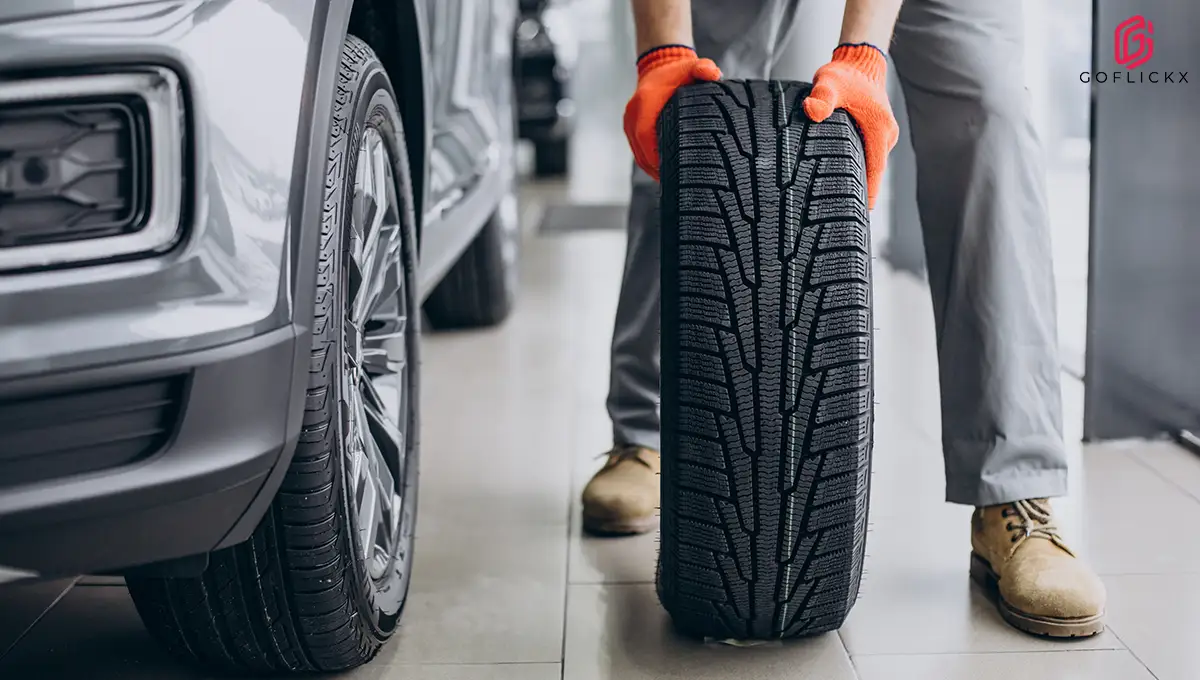
All Season Tyres in Germany: Are They Actually Worth It for Expats Who Hate the Twice Yearly Swap
Moving to Germany often means adapting to new driving habits, road rules and perhaps most annoyingly for expats seasonal tyre changes. Switching between summer and winter tyres twice a year can mean booking appointments, finding storage space and keeping track of changing weather conditions. That is where all-season tyres come in. They promise year-round convenience without the regular garage visits. But are all season tyres Germany worth it for everyday drivers, especially those living in cities with relatively mild winters? The answer depends on where you live, how much you drive and how often you encounter serious snow or ice.
Quick Overview
All-season tyres are designed to provide a balance between summer and winter performance, making them convenient for many German drivers. They can eliminate the need for a twice-yearly tyre change and reduce storage hassles. In Germany, however, the tyre must meet winter-use requirements when winter road conditions occur. For expats mainly driving around cities and moderate-climate regions, quality all-season tyres can be a practical option. Drivers regularly travelling through snowy mountain areas may still benefit from dedicated winter tyres.
Why Are All-Season Tyres Popular With Expats?
For someone new to Germany, seasonal tyre rules can feel like another piece of bureaucracy to learn. With all-season tyres, there is no need to schedule a traditional summer-to-winter and winter-to-summer swap. You also avoid finding somewhere to store the unused set.
This makes them particularly attractive to:
- Expats living in larger cities
- Drivers covering moderate annual mileage
- People who mostly drive locally
- Households without garage storage
- Drivers who want a simpler maintenance routine
According to the ADAC, all-season tyres can save time, money and storage space because the twice-yearly change is no longer necessary.
However, convenience should not be confused with identical performance. All-season tyres are designed as a compromise between summer and winter characteristics.
What Does German Law Say About All-Season Tyres?
Understanding the all weather tyres Germany law is essential before replacing two seasonal sets with one.
Germany does not have a fixed calendar-based winter tyre requirement. Instead, there is a situational winter tyre obligation. When roads have conditions such as ice, snow, slush, or frost, suitable winter tyres are required.
All-season tyres carrying this symbol qualify as winter-capable tyres under German rules.
All-Season vs Summer and Winter Tyres
The biggest advantage of all-season tyres is convenience. The biggest compromise is specialised performance.
Summer tyres are designed to perform particularly well in warmer conditions, especially during wet braking and handling. Winter tyres use softer compounds and specialised tread patterns to maintain grip at low temperatures and on snow or ice.
All-season tyres sit between the two.
|
Factor |
All-Season Tyres |
Summer + Winter Tyres |
|
Seasonal tyre changes |
Not normally required |
Twice yearly |
|
Storage needs |
Lower |
Higher |
|
Convenience |
High |
Moderate |
|
Summer performance |
Good, depending on model |
Strong |
|
Snow performance |
Moderate, model dependent |
Strong with winter tyres |
|
Best for |
Mild climates and mixed driving |
Drivers facing varied or severe conditions |
|
Winter legality |
Alpine symbol required |
Alpine symbol winter tyres required |
The ADAC notes that all-season tyres remain a compromise and generally do not match the peak performance of dedicated summer and winter tyres.
How to Choose the Best All-Season Tyres in Germany
Searching for the best all season tyres Germany has to offer should involve more than looking for the cheapest option.
1. Check the Alpine Symbol
This is essential for winter conditions in Germany. A tyre without the required marking may not satisfy the winter tyre rules.
2. Check Wet-Grip Performance
German weather can mean plenty of rain, so wet-road performance matters throughout the year. The EU tyre label provides information about wet grip, rolling resistance and external noise.
3. Consider Your Annual Mileage
If you drive thousands of kilometres every year, tyre wear becomes more important. A tyre that works well for occasional urban driving may not be the right choice for frequent motorway trips.
4. Think About Your Winter Routes
Ask yourself where you actually drive in winter. City streets and major motorways are very different from snowy rural roads or Alpine passes.
5. Look Beyond the Cheapest Price
Independent tyre testing can help identify differences in braking, handling, wet grip and winter performance. The ADAC recommends using tyre test results as an important buying aid.
For expats unfamiliar with the German tyre market, Reifen Direkt can also be a useful place to research available tyre options and sizes before making a purchase.
Where All-Season Tyres Make the Most Sense
All-season tyres can be particularly practical for drivers who:
- Live in relatively mild or urban regions
- Drive fewer kilometres
- Rarely encounter deep snow
- Mostly use city roads and motorways
- Want to simplify vehicle maintenance
- Have limited storage space
They may be less suitable for drivers who regularly face heavy snowfall, steep mountain roads, or demanding winter conditions. Before buying, check the tyre tests for your specific size rather than relying only on the brand name. A tyre's performance can vary depending on its size and vehicle application.
A Practical Choice for Busy Expats
For many expats, the attraction is not simply saving money. It is removing one more recurring task from an already busy schedule.
The convenience of fitting one suitable set and keeping it year-round can be significant. But convenience should always come after checking whether the tyres suit your climate and driving habits.
If you are researching options, Reifen Direkt can help you browse different tyre models, sizes and specifications in one place. Ultimately, the right choice comes down to your roads, mileage, climate and winter driving needs, not simply whether you dislike visiting the tyre shop.
Conclusion
All-season tyres can be a practical solution for German expats who want to avoid tyre swap germany all season and simplify year-round driving. They can save time, eliminate seasonal storage and work well for many urban and moderate-climate drivers. However, they remain a compromise compared with dedicated summer and winter tyres. Always check for the Alpine symbol and choose a model suited to your driving conditions. If convenience is your priority and severe winter driving is uncommon, all-season tyres may be worth considering.
FAQs
1. Are all-season tyres legal in Germany?
Yes. All-season tyres can meet German winter tyre requirements when they have the required Alpine symbol and are used appropriately in winter conditions. Germany has a situational rather than calendar-based winter tyre requirement.
2. Are all season tyres Germany worth it for city driving?
They can be, particularly for drivers who mainly travel in cities, cover moderate mileage and rarely encounter heavy snow. However, tyre choice should still reflect local weather and driving habits.
3. What should I know about all weather tyres Germany law?
The key point is the Alpine symbol. In winter road conditions, tyres carrying only the old M+S marking are no longer sufficient under current German requirements.
4. What are the best all-season tyres Germany drivers can buy?
There is no single best option for every driver. Compare independent test results, wet grip, winter performance, tyre size, noise, rolling resistance and your expected mileage before choosing.
5. Can all-season tyres completely eliminate tyre changes?
They can eliminate the regular seasonal swap between summer and winter tyres, but they do not eliminate tyre maintenance. Pressure, tread depth, damage and tyre age should still be checked regularly.